
How to Reduce Restroom Complaints with a Smarter Cleaning Plan
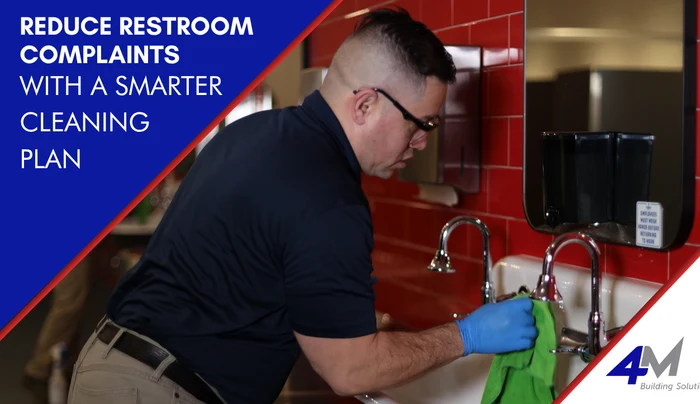
In a busy building, restrooms act like a public scorecard for your overall cleaning standards. People make quick judgments about restroom cleaning the moment they walk in, and that impression follows them through the rest of the building.
For example, think about that fast-food restaurant you avoid because its restrooms are always dirty. Or perhaps you’ve been to a healthcare provider whose public restrooms always have a foul odor, leaving you questioning their overall cleanliness standards.
One complaint about odor, mess, or empty dispensers can signal a deeper gap in your commercial facility’s cleanliness routines. The good news? The fix rarely means hiring more staff. It means building a smarter cleaning approach, one that matches your usage patterns, reduces touchpoint grime, and turns everyday facility management challenges into consistent tenant satisfaction goals.
Small adjustments to your plan can make a measurable difference, and this post will tell you how.
Why Restroom Complaints Happen in the First Place
Most restroom maintenance issues start with a mismatch between traffic and timing. A restroom near a lobby, cafeteria, clinic waiting room, or student commons may need several touch-ups between formal cleanings. If your crew follows a rigid route, problems will start building before the next round begins.
Reactive work also drives complaints. Your staff may respond immediately after a call comes in, but by then, the occupant has already formed a negative view. Supply management failures add to the problem. Empty soap dispensers, missing paper towels, and unfilled toilet tissue holders are among the easiest issues to prevent, yet they remain common.
High-touch surfaces are another weak point. Faucet handles, flush valves, stall locks, and door pulls collect grime fast. Poor janitorial communication makes matters worse. When cleaners, supervisors, and facility managers do not share usage patterns or complaint data, these issues keep repeating. That is why proactive cleaning systems matter more than isolated fixes.
1. Audit Your Current Cleaning Frequency
A thorough restroom cleaning audit starts with a basic foot traffic analysis, not assumptions. Your facility team should review each restroom by location, user group, and peak period. A ground-floor restroom in a downtown St. Louis office may face lunchtime surges, while one near a loading area may spike during shift changes.
Next, you run a janitorial schedule review that looks for restrooms your cleaning team overlooks. You can maintain a simple paper log, but a digital tracker works better. Either option helps you with cleaning frequency optimization.
Once you have all the data, share it with your janitorial service provider. They can compare them with current routes, cleaning frequency, and the number of complaints. You then shift your cleaning focus to the right times, instead of simply adding hours. You get fewer complaints because your plan follows actual building behavior.
2. Prioritize High Touch Surfaces Between Deep Cleans
Many restroom complaints come from what people touch, not what they see first. High-touch surface cleaning targets door handles, faucet knobs, soap dispensers, stall locks, and flush valves. These areas show fingerprints, residue, and splash marks long before the rest of the room appears dirty.
Quick wipes during supply rounds help prevent buildup without adding a full cleaning cycle. This is especially useful in healthcare facilities, schools, nursing and rehabilitation centers, and corporate offices, where heavy use and close contact raise expectations for visible hygiene.
This step supports germ prevention in restrooms. It also reflects the disciplined, quality-first thinking that long-standing facility leaders have advanced for decades. When your team is trained to protect critical touch points between formal cleans, complaints tied to grime and neglect tend to fall.
3. Keep Supplies Stocked Before They Run Out
Empty dispensers lead to complaints because people notice them right away. Proactive restroom supply management uses set restock times, such as mid-morning and mid-afternoon, instead of waiting for a full run-out.
You can use a short checklist for paper towel restocking and soap dispenser refills. Visual indicators also help your staff confirm levels in seconds, even during busy shifts.
If you want fewer emergency runs, you can also consider touchless restroom dispensers. Many models now support basic inventory tracking. Your team can schedule orders early and reduce delays.
And if you’re already a 4M client, did you know that we can also manage your supplies. That means no hassles, no out-of-stocks, and if your supplier is large enough, significant savings from its bulk buying through its supply network.
4. Create a Complaint Tracking System
You can reduce repeat complaints quickly and efficiently when you can track feedback in one place. Create a simple restroom complaint tracking tool that can use a QR code in each restroom, which links to a short online form.
This form should let people log the location, time, and type of issue. It’s an excellent way of monitoring cleaning performance and turning mere opinions into usable data. That also means your team can stop guessing about which restrooms cause the most friction.
Finally, review this log weekly as part of data-driven cleaning decisions. Feel free to share results with supervisors and frontline staff. This improves follow-through and keeps small problems from turning into patterns.
5. Train Cleaning Staff on Quality, Not Just Speed
Speed matters, but cleaning quality stops restroom complaints. Keep your janitorial staff training focused on repeatable steps and clear outcomes. Build habits that hold up even when your staff changes.
If required, add self-inspection protocols at the end of each service. For instance, your staff can check mirrors, floors, touchpoints, and dispensers before they leave. This habit boosts pride among your team and helps catch missed details early.
6. Schedule Periodic Deep Cleans
Daily service cannot remove every layer of buildup. Schedule periodic deep cleaning of restrooms to target grout lines, drains, vents, partitions, and behind fixtures where odor and residue develop over time.
You can set a deep clean frequency by facility type. For instance, high-traffic corporate lobbies may need weekly deep cleans, while light-use restrooms may need bi-weekly work. A planned rotation helps you reduce sudden “problem restroom” complaints.
Periodic grout and drain cleaning helps control odor at the source. It also protects fixtures and surfaces from damage. That helps you lower long-term replacement costs tied to the lack of regular commercial restroom deep cleans.
7. Partner with a Professional Cleaning Provider
All this becomes easier if you work with a qualified commercial cleaning partner. Hiring a professional brings trained labor, documented processes, inspections, and accountability at a fraction of the cost of managing restrooms by yourself.
Plus, restroom needs vary by industry. Healthcare facilities, schools, industrial plants, office campuses, and senior living communities all present different risk points and traffic patterns. Professionals are better equipped and trained to handle different types of restrooms.
A Cleaner Restroom Starts with a Smarter Plan
Reducing complaints does not require constant over-cleaning. It requires better timing, stronger training, steady supply checks, and simple data review. If you make small process changes, they can lead to major gains in cleanliness, perception, and occupant confidence.
If you want an outside review, you can contact 4M Building Solutions for a walkthrough and a practical plan built around your building. Headquartered in St. Louis and serving customers nationwide, we offer full-service cleaning, janitorial, housekeeping, and disinfection services, plus supply management.
Call 800-535-6282 or fill out our online form to learn how we can help.