
8 Things That Happen to Your Facility When Deep Cleaning Gets Skipped
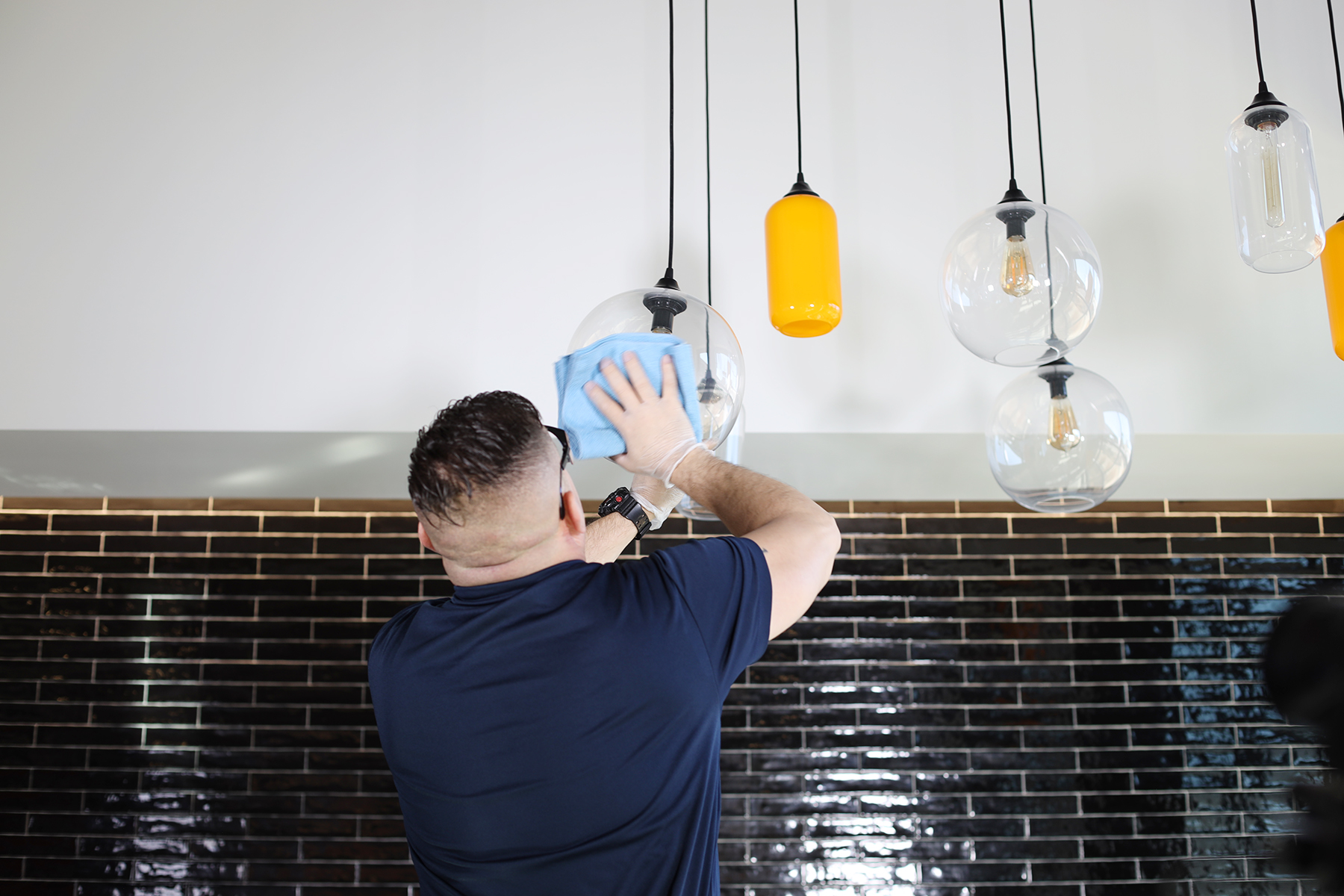
When you skip deep cleaning, your facility builds up problems that daily janitorial service can’t see or fix. Routine cleaning keeps visible areas presentable. However, only deep cleaning can address the buildup underneath, behind, above, and inside surfaces.
If you manage a facility, you know how often it can be that deep cleaning gets put off. The most common reasons include tight budgets, busy schedules, and sometimes, just because the space looks clean enough to pass a quick walkthrough. But once deep cleaning slips one quarter, then another, the consequences are predictable, and only get worse the longer you wait. Here’s what happens.
1. Indoor Air Quality Degrades as Dust and Particulates Accumulate Above the Floor Line
Skipping deep cleaning directly affects your indoor air quality. Dust, allergens, biological debris, and fine particulates settle on rafters, light fixtures, HVAC diffusers, overhead pipes, and other high surfaces your daily crew never touches. Over time, your HVAC system pulls that buildup in and recirculates it through the air your occupants breathe.
The result often shows up as more breathing complaints, allergy symptoms, and headaches, along with clogged filters and higher HVAC maintenance bills. High dusting with HEPA-filtered equipment removes this buildup before it gets into the airflow. Regular HVAC maintenance and appropriate filtration also support better air quality.
2. Pathogen Loads Build Up in Hard-to-Reach Surfaces and Persist Between Routine Cleaning Cycles
Bacteria, viruses, and mold spores can remain on surfaces that routine cleaning does not always adequately reach.
Grout lines, floor drains, spaces beneath equipment, and areas behind fixtures can collect moisture, organic matter, and other contaminants.
Some microorganisms can survive between cleaning cycles, depending on the surface and environmental conditions. For healthcare facilities, schools, and senior living communities, these areas deserve particular attention because occupants may face greater health risks.
Professional deep cleaning and infection control combine thorough soil removal with appropriate disinfection procedures. Using EPA-registered disinfectants (according to label instructions) can help reduce targeted pathogens on compatible surfaces.
With scheduled commercial deep cleaning, you can address overlooked areas and support your facility’s broader infection prevention practices.
3. Floor Finish Degrades Faster and Becomes Impossible to Restore With Routine Buffing
Your floors face constant pressure from foot traffic, equipment movement, dirt, and cleaning product residue.
Without periodic deep cleaning and floor care, embedded soil can wear down protective finishes and leave floors looking dull or uneven.
Routine buffing may temporarily improve their appearance, but it cannot correct every problem beneath the surface. As deterioration progresses, some floors may require stripping and refinishing rather than standard maintenance.
These restoration procedures can cost more and interrupt normal building operations. With a scheduled facility floor maintenance program, you can protect compatible floor finishes, manage soil buildup, and reduce the likelihood of premature restoration or replacement.
4. Tile and Grout Become a Persistent Hygiene and Appearance Problem
Have you noticed dark grout lines even after your floors have been mopped? Grout is porous, which allows dirt, moisture, and cleaning residue to settle into small openings. Over time, this buildup can cause discoloration, unpleasant odors, and conditions that support microbial growth when moisture remains present.
Restrooms, kitchens, entryways, and common areas are particularly vulnerable. While routine mopping removes surface debris, it often leaves embedded soil behind. You need to hire professional tile grout cleaning services for your commercial facility. Pros use appropriate equipment and cleaning methods to remove stubborn buildup.
5. Restrooms Develop Odor and Hygiene Issues That Routine Cleaning Cannot Correct
When your restrooms smell bad despite daily cleaning, the source is usually below the surface. Uric salt deposits behind fixtures and under toilets, biofilm in floor drains, and contamination in grout often cause odors that routine service doesn’t touch.
These sources build up until the room smells the moment someone walks in, no matter when it was last cleaned. Restroom complaints are one of the most common reasons tenants push for a cleaning vendor review.
However, the real gap is often a missing deep cleaning cycle, not poor daily service. A deep restroom cleaning resets the restroom to a condition your daily cleaning can keep up with.
6. Carpet and Upholstery Accumulate Allergens and Soil That Reduce Occupant Wellbeing
Your carpets and upholstered furniture collect more than visible dirt. Pollen, dust, skin cells, food particles, and pet dander can settle deep within carpet fibers and furniture materials. Regular vacuuming removes accessible debris, but embedded contaminants may remain.
Over time, accumulated particles can contribute to indoor allergen exposure, while heavy soil can cause discoloration, matting, and lingering odors. Without periodic commercial carpet deep cleaning, these materials may deteriorate faster, especially in high-traffic areas.
Professional extraction and appropriate upholstery cleaning help remove embedded soil. A consistent cleaning schedule can support occupant comfort while protecting your investment in carpeting and furniture.
7. Inspections, Audits, and Certifications Are Harder to Pass
When deep cleaning falls behind, your facility may develop sanitation deficiencies that become visible during inspections. Healthcare facilities, senior living communities, educational institutions, and food service environments may face specific cleaning and sanitation requirements.
Dirty grout, neglected drains, contaminated surfaces, and incomplete maintenance records can raise concerns during applicable reviews. Building certification programs, including LEED and WELL, may also evaluate cleaning policies, practices, and supporting documentation under relevant credits or features.
However, their requirements vary by certification. Whichever deep cleaning services you choose, make sure to document them. Documentation helps you demonstrate consistent facility care. Maintain a written cleaning schedule, service records, and regular inspections to help your team identify problems before formal reviews.
8. Deferred Deep Cleaning Costs More to Correct Than It Would’ve Cost to Maintain
Skipping scheduled cleaning may reduce immediate expenses, but the cost of skipping deep cleaning increases over time. Consider what happens when routine maintenance no longer corrects surface deterioration.
- Worn floor finishes may require stripping and refinishing instead of periodic maintenance.
- Severely damaged carpets may need replacement instead of professional extraction.
- Heavily stained grout may require restoration or replacement.
- Persistent contamination may require more extensive cleaning and remediation.
These repairs can increase labor costs, material expenses, and operational disruptions. Although actual costs vary by facility, preventive maintenance can reduce avoidable deterioration. With a planned commercial deep cleaning program, you can manage cleaning expenses, extend the useful life of building materials, and reduce unexpected restoration work.
How Often Should a Commercial Facility Schedule Deep Cleaning?
As a starting point, most commercial facilities consider either quarterly or biannual deep cleaning. Adjust your cleaning schedule for foot traffic, occupancy, surface conditions, and industry requirements. For example, healthcare, senior living, and food-adjacent facilities may need more frequent cleaning of specific areas.
Corporate offices and logistics facilities, on the other hand, often require biannual cleaning supported by monthly high-dusting. If your facility has gone more than 12 months without professional deep cleaning, start with a condition assessment.
Address Deep Cleaning Gaps Before They Become Costly Repairs
Skipping deep cleaning doesn’t save your facility money. It turns routine maintenance into bigger, more expensive restoration work. The eight problems above are what happens when deep cleaning drops off the schedule, and each one gets harder to fix the longer you wait. If your facility is overdue, start by honestly assessing where the gaps are.
4M Building Solutions can help you work through that assessment and build a commercial deep cleaning plan that fits your facility, including Precision-Grade CleanTM solutions.
Contact us today to discuss your facility’s deep cleaning needs.